
How to Improve Indoor Air Quality: 10 Proven Steps
Indoor air quality has a bigger impact on our health, comfort, and productivity than most people realize. Whether you’re maintaining your family home or managing a bustling office, the air you breathe indoors can affect everything from allergy symptoms to long-term respiratory health.
Fortunately, in most cases, you don’t need to overhaul your building or invest in complex systems to make a difference. Many practical steps, some surprisingly simple, can significantly improve the quality of your indoor air.
Here are 10 proven ways to improve the indoor air quality in your space.
Open Windows for Fresh Air
One of the simplest and most effective ways to improve indoor air quality is by letting fresh air circulate inside your home. Many modern buildings are tightly sealed to conserve energy, but this often means that dust, odors, and other pollutants get trapped indoors, leading to stale and unhealthy air.
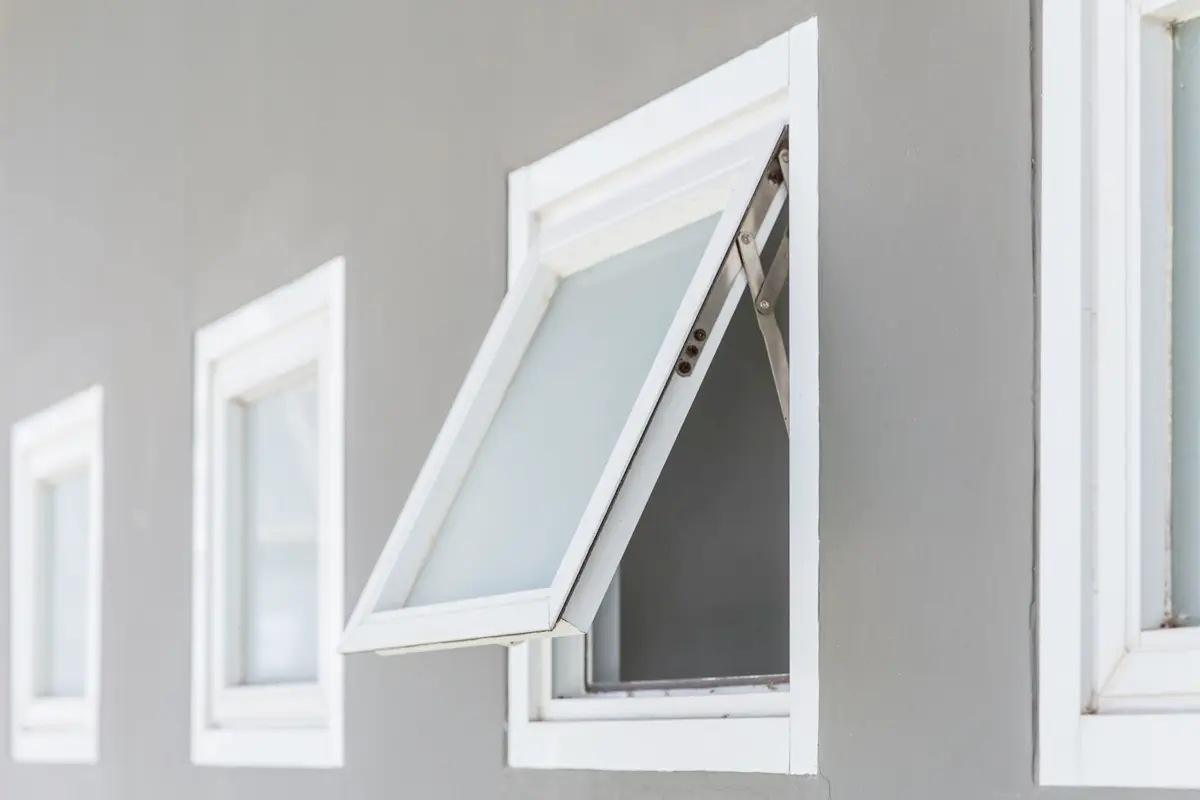
Opening windows and doors on days with good weather allows fresh outdoor air to replace the polluted indoor air. This is especially helpful during activities like cooking, cleaning, or painting, which can release particles and chemicals into the air.
However, before you crack open your windows, it’s important to consider the quality of the air outside.
If you live close to busy roads or other pollution sources, bringing outdoor air inside might introduce harmful contaminants. Additionally, on days when outdoor air quality is poor, it’s best to keep windows and doors closed to protect your indoor environment.
By being aware of outdoor air quality, you can know when to invite fresh air inside for a cleaner, healthier environment.
Keep Up With Regular Cleaning
Dust, pollen, pet dander, and other airborne particles gradually accumulate indoors and can significantly impact the quality of the air you breathe. Maintaining a consistent cleaning routine is essential to reduce these contaminants and keep indoor air fresh and healthy.
Regularly cleaning floors, wiping down surfaces, and paying attention to often-overlooked areas like vents, ceiling tiles, and underneath furniture can make a big difference. These spots tend to collect dust and allergens that can easily become airborne if left unattended.
Ultimately, consistency is key. Sporadic or incomplete cleaning will quickly undo the benefits and allow indoor air quality to suffer.
Sanitize Soft Surfaces
While hard surfaces and floors are usually part of a regular cleaning routine, soft surfaces are often overlooked. Yet these porous materials (like couches, cushions, curtains, and fabric-covered chairs) are some of the biggest contributors to airborne particles. They act like sponges, trapping pollutants that can be released back into the air with every movement.
To keep these surfaces from undermining your air quality, use fabric-safe sanitizing sprays, steam cleaners, or washable slipcovers that can be laundered regularly.
In larger or shared spaces, be sure to include cubicle walls and other upholstered items in your deep cleaning schedule several times a year especially in high-traffic areas like lobbies, meeting rooms, or waiting areas.
A little extra attention to these forgotten fabrics can go a long way toward creating a fresher, more breathable space.
Keep Smoking Strictly Outside
While it may seem like a thing of the past, indoor smoking is still a common source of poor air quality in certain environments. Multi-unit housing is especially at risk, as smoke can travel between units through shared walls, vents, and ductwork. This makes it difficult for non-smokers to avoid exposure, even if they don’t allow smoking in their own space.
Indoor smoking can also remain an issue in places like older buildings with outdated ventilation systems, certain bars or private clubs, and properties where enforcement of no-smoking policies is inconsistent or unclear.

Tobacco smoke contains more than 7,000 chemicals, many of which are toxic or carcinogenic. Even in spaces where smoking is no longer permitted, residue from past smoking (known as thirdhand smoke) can linger in walls, carpets, and furnishings for years.
According to the U.S. Environmental Protection Agency (EPA), secondhand smoke is a major indoor air pollutant that can harm people of all ages, especially children and those with respiratory issues.
To protect indoor air, it’s essential to establish clear no-smoking policies and provide designated outdoor areas far from building entrances or air intakes. In shared spaces, make sure residents, employees, or guests understand the rules and that they’re consistently enforced.
Add a Few Low-Maintenance Plants
Plants don’t just liven up a space, they can contribute to cleaner indoor air. Certain types of greenery are especially good at absorbing carbon dioxide and releasing oxygen, while also helping to trap dust on their leaves.
Consider these easy-care plants that are known to be effective air improvers:
- Spider Plants: Thrive in a range of conditions and filter pollutants like carbon monoxide.
- Snake Plants: Great for low light areas and help remove formaldehyde.
- Pothos: Fast-growing and hardy, good for reducing VOCs.
While plants aren’t a replacement for proper filtration or ventilation, they’re a nice complementary strategy especially in homes and office spaces where adding a bit of nature can improve morale as well as air quality.
Balance Moisture Levels Indoors
Humidity plays a significant role in indoor air quality. Too much moisture encourages mold and mildew while air that’s too dry can irritate your throat, skin, and eyes.
Aim to keep relative humidity levels between 30% and 50%. You can achieve this by:
- Using dehumidifiers in damp areas like basements or laundry rooms.
- Installing humidifiers during the dry winter months.
- Fixing leaks and drainage issues promptly to prevent mold buildup.
- Ensuring proper ventilation in bathrooms and kitchens where steam accumulates.
Commercial buildings may require HVAC-integrated humidification or dehumidification systems to maintain consistent indoor conditions across zones.
Use a Portable Air Cleaner
When improving indoor air quality, portable air purifiers offer targeted filtration for rooms or areas that need extra help. These devices work well in bedrooms, offices, classrooms, or shared workspaces—anywhere people spend a lot of time breathing the same air.
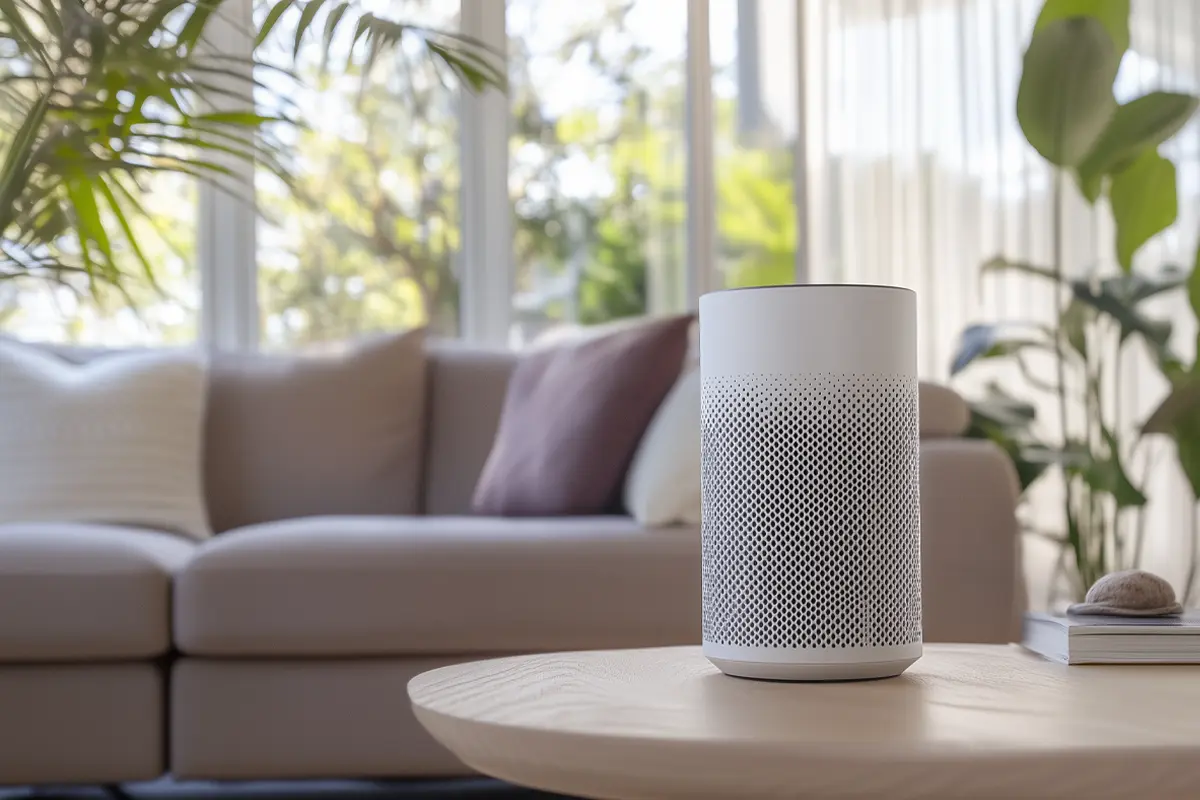
Look for units that use HEPA filters to capture fine particles like dust, pollen, and smoke, and consider models with activated carbon filters for removing odors and chemicals.
Tip: Make sure the air cleaner is appropriately sized for the room you’re using it in. Many manufacturers list the recommended square footage on their packaging to help you choose the right model.
In large buildings, portable purifiers can supplement centralized filtration, especially in areas with poor airflow or additional pollution sources like 3D printers, copiers, or chemical cleaners.
Upgrade Your Air Filters
One of the most impactful steps you can take to improve indoor air quality is upgrading your HVAC filters. Filters are rated using the MERV scale which measures how effectively a filter captures airborne particles. The higher the MERV rating, the better the filtration. (Learn more in our guide to MERV ratings).
For most homes and commercial buildings, a MERV 8 filter should be considered the absolute baseline. It can trap common pollutants like dust, pollen, and mold spores, but it’s not especially effective against finer particles.
If your HVAC system allows, upgrading to a MERV 13 filter offers a much higher level of filtration, capturing smaller particles like smoke, bacteria, and even some viruses—making it a great choice for environments where cleaner air is a priority.
Beyond traditional filters, there are also specialty options to consider. Carbon filters, for example, contain activated carbon that can help reduce odors and volatile organic compounds (VOCs), making them ideal for spaces affected by smoke, chemicals, or lingering smells.
Before upgrading, always check your system’s compatibility to ensure it can handle higher-efficiency filters without restricting airflow. But if it can, even a simple upgrade can make a noticeable difference in the quality of the air you breathe.
[blog-post-ad-general]
Book Regular HVAC Checkups
Your HVAC system is the respiratory system of your building, and just like any system, it needs routine maintenance to function well. Dirty coils, clogged filters, or blocked ductwork can compromise air quality and reduce system efficiency.
Schedule professional inspections at least twice a year, ideally before the peak cooling and heating seasons. During these visits, technicians can:
- Replace or clean filters
- Check for mold or leaks in the ductwork
- Calibrate thermostats and humidistats
- Clean blower components
- Ensure proper ventilation and airflow
For commercial facilities, routine HVAC maintenance is even more crucial, as larger systems often involve complex zoning, rooftop units, and higher usage loads.
Bonus: A clean, well-maintained HVAC system also saves energy and extends equipment life—another win for both budget and air quality.
Test Your Indoor Air Periodically
You can’t fix what you don’t measure. Indoor air testing is a powerful tool to identify hidden issues that may not be obvious, like radon, carbon monoxide, mold spores, or VOCs from building materials and furnishings.
Homeowners can purchase DIY air quality monitors that measure everything from particulate matter (PM2.5) to humidity and CO2 levels. These devices offer real-time insights and can alert you when levels become unhealthy.
Commercial building managers should consider periodic professional air filter testing through certified indoor air quality consultants. These experts can perform in-depth assessments, interpret the data, and recommend targeted improvements based on the building’s size, usage, and layout.
In some industries (such as healthcare, education, or manufacturing) regular IAQ testing is essential for compliance and safety.
Final Thoughts
Improving indoor air quality doesn’t have to be complicated or expensive. Whether you’re managing a home, a school, or a corporate office, small steps like increasing ventilation, sticking to a cleaning routine, and maintaining HVAC systems can make a measurable difference.
By being proactive about air quality, you’ll create a healthier, more comfortable, and more productive environment for everyone who walks through your doors.
Remember: cleaner air is always worth the effort.
Looking for professional solutions to improve indoor air quality in your building? From advanced filtration systems to air testing and seasonal service, we’re here to help. Contact us today to learn more.